Custom Software vs SaaS: Which Is Better for Your Business?
Custom Software7 min readOctober 21, 2026

Custom Software vs SaaS: Which Is Better for Your Business?

Buy SaaS for work that is the same in every company, and build custom software only where your own process is what sets you apart. Most growing companies end up with a SaaS core and a thin custom layer that connects it.

Is custom software or SaaS better for a business?

SaaS is better for work that looks the same in every company, such as email, payroll, accounting and standard CRM, because it is cheaper to start and someone else maintains it. Custom software is better where your process is specific, earns you money or differentiates you, and where off-the-shelf tools force workarounds. Most growing companies combine both: SaaS for the core, custom code to connect and extend it.

01

The short answer: buy the standard, build what sets you apart

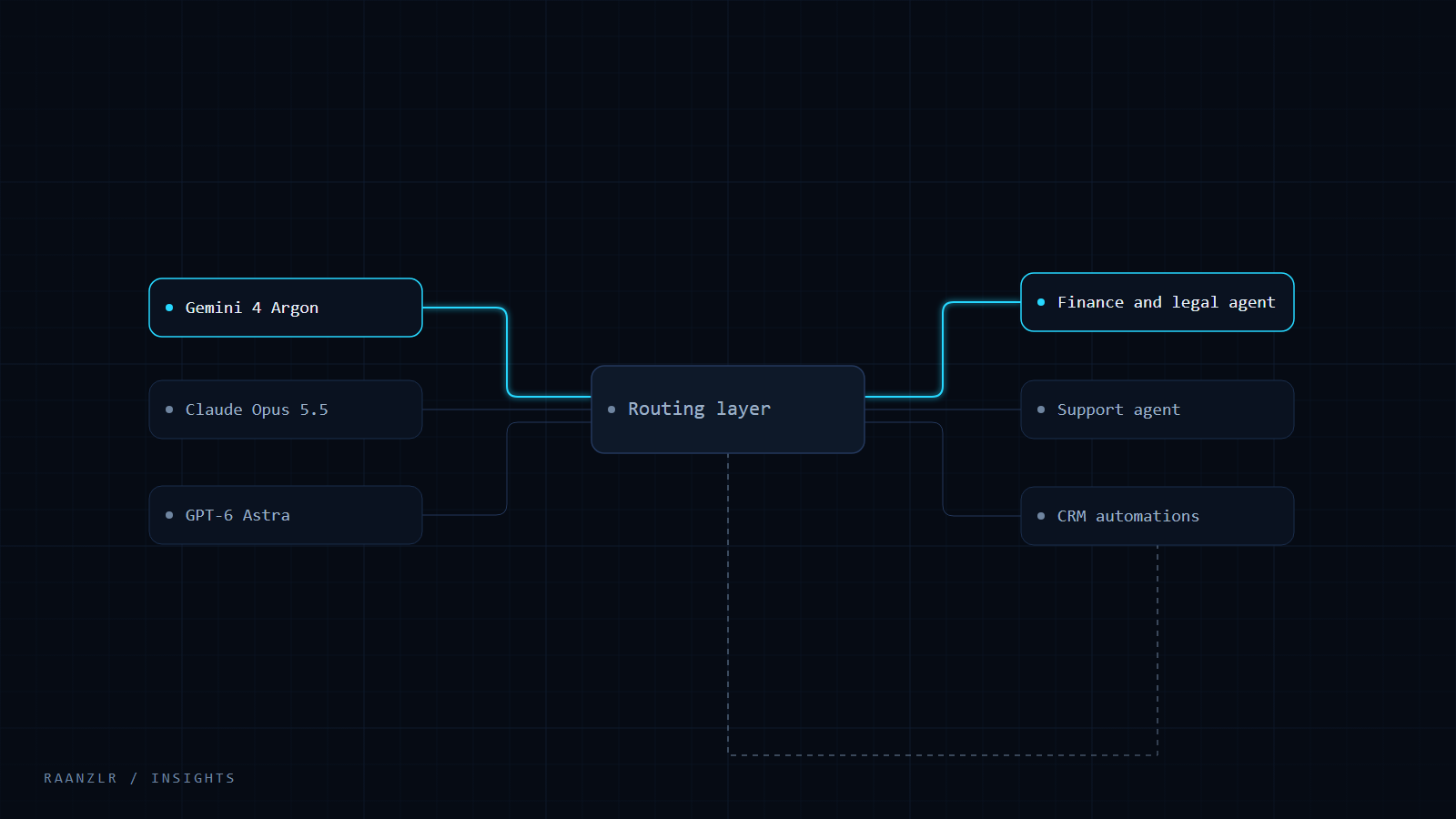
Illustration: identical rented units on one side, a structure shaped around one company's data flow on the other.

SaaS is the better choice for work that looks the same in every company: email, payroll, accounting, a standard sales pipeline. Custom software is the better choice where your process is specific to you, earns you money, and is being bent out of shape by tools designed for everyone.

Framed as one or the other, the question misleads. Most growing companies end up with a hybrid: a few SaaS products at the core, and a thin layer of custom code that connects them, fills the gaps and holds the logic only your business has. The real decision is where to draw that line.

This guide compares the two on cost, fit, control and exit, looks at what each really costs with current data, and ends with five questions that settle most cases. If you are weighing automation rather than software, our comparison of AI and traditional automation covers that choice.

02

What you are actually choosing between

SaaS (software as a service) is software you rent. The vendor hosts it, updates it and decides what it does next; you pay a fee per user or per month and configure it within the limits it allows. Gartner's July 2026 forecast puts worldwide software spending at about $1.47 trillion this year, up 15.5%, and a large share of that is SaaS.

Custom software is built for one organisation's process. You pay for design and development, you own the result if the contract says so, and you decide what changes and when. It also means you are responsible for hosting, security updates and maintenance, either in-house or through a partner.

Hybrid is the arrangement most companies actually run. The CRM, accounting and support tools stay SaaS. A custom layer sits around them: an internal portal, a pricing engine, an integration that moves data between systems, or a dashboard that pulls numbers from all of them into one view.

A quick way to sort your systems

  • Commodity work: the same in every company in your industry. Buy it.
  • Differentiating work: how you quote, schedule, price or serve customers in a way competitors don't. Consider building it.
  • Glue: the data that has to move between the two. This is where small custom builds usually pay off first.
03

How custom software, SaaS and hybrid compare

The table sets the three options side by side on the points that decide most projects. We highlight the hybrid column because it is the right answer for most companies past their first few years: it keeps the low maintenance of SaaS for standard work and spends custom effort only where it changes how the business runs.

Pure custom makes sense for a company whose core product is the software, or whose process is regulated or specific enough that no product fits. Pure SaaS fits a young company whose processes are still changing every quarter, where building anything would fix in code a process that is not settled yet.

Custom software vs SaaS vs hybrid
Custom softwareSaaSHybrid (SaaS core + custom layer)
Upfront costHigh: design and buildLow: setup and onboardingModerate: only the custom layer is built
Ongoing costHosting and maintenancePer-seat fees that rise with users and price changesFewer seats plus light maintenance
Time to first useWeeks to monthsDaysSaaS at once, custom parts in phases
Fit to your processExactYou adapt to the productExact where it matters
Who decides the roadmapYouThe vendorVendor for the core, you for the layer
Data and exitYou hold the data and codeDepends on export options and contractCore data in SaaS, key logic owned by you
Best forSoftware-led or highly specific operationsYoung or fast-changing teamsMost growing companies

Source: Raanzlr editorial comparison, October 2026. Cost points drawn from Zylo, 2026 SaaS Management Index (January 2026) and McKinsey, Delivering large-scale IT projects (October 2012).

04

What SaaS really costs once you have a lot of it

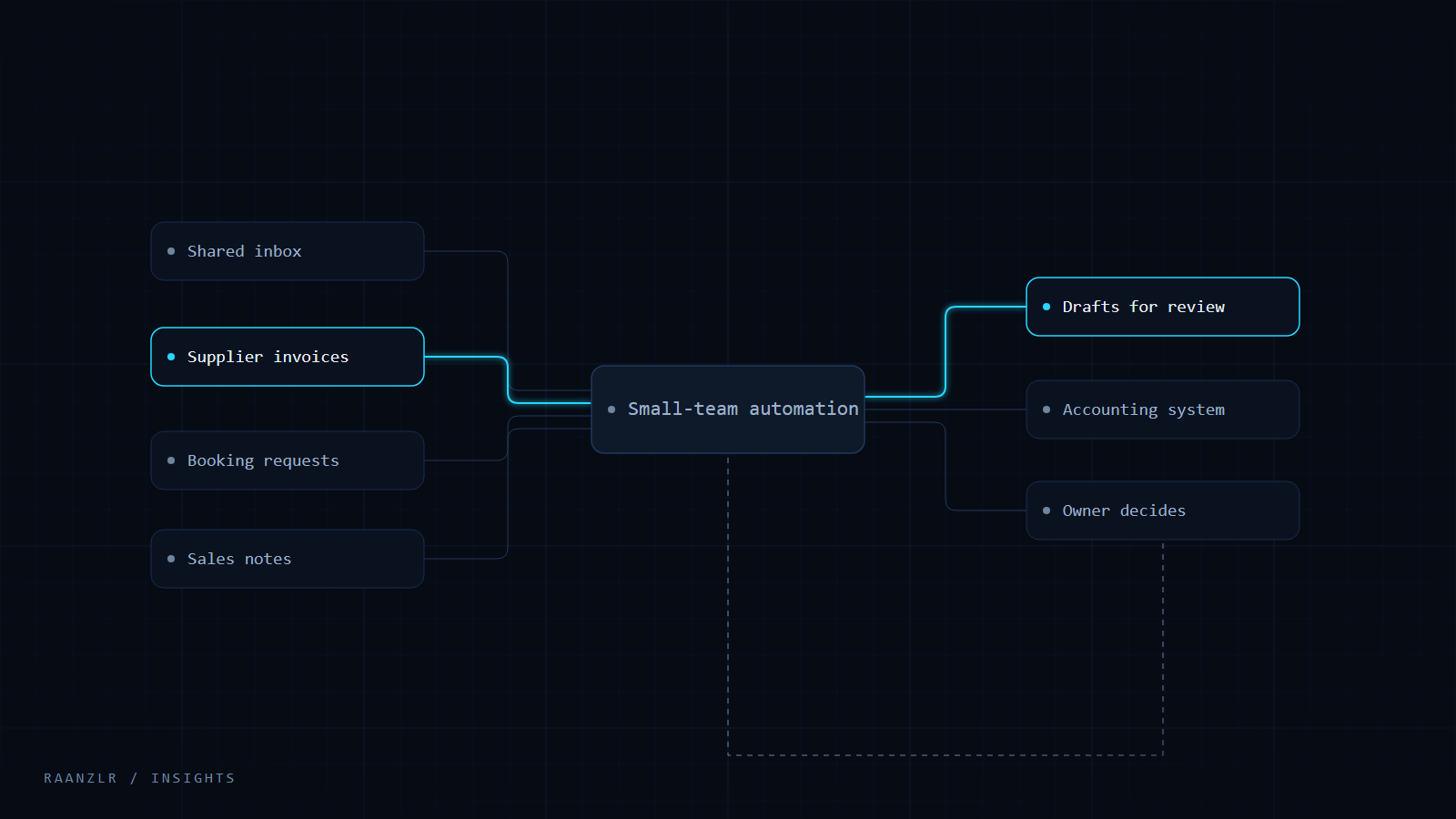
Illustration: a stack of subscriptions weighed against one custom-built component.

A single SaaS subscription is cheap. The problem is the portfolio. Zylo's 2026 SaaS Management Index, published in January 2026 and based on 40 million licences and $75 billion of spend that its customers manage on its platform, found a median spend of $9,455 per employee a year.

The same report found that 36% of licences go unused, that business units rather than IT control 81% of SaaS spend, and that 78% of IT leaders had been hit by unexpected charges. These figures come from a vendor that sells SaaS management tools, and its customers are mostly larger companies, so treat them as a signal about how SaaS costs drift, not as a number for your own budget.

The pattern is what matters for a build-or-buy decision. SaaS cost grows with headcount and with the vendor's pricing changes, and nobody owns the total unless someone is assigned to it. Before deciding a custom build is too expensive, add up what you already pay for the tools it would replace or connect, multiply by the users you expect in three years, and compare like with like.

Where SaaS spend leaks (%)

Source: [Zylo, 2026 SaaS Management Index](https://zylo.com/news/2026-saas-management-index), 29 January 2026. Vendor-reported, based on Zylo customer data.

05

What custom software really risks

Custom software fails in a different way: it overruns. The most cited study, by McKinsey and the University of Oxford in October 2012, looked at more than 5,400 IT projects and found that large ones, with budgets above $15 million, ran 45% over budget and 7% over time on average while delivering 56% less value than planned. The figures are old and the projects were far bigger than a typical business build, but the causes they named still apply: unclear goals, scope that keeps growing, and long projects with no working software until the end.

Smaller builds avoid most of this by staying small. The habits that keep a custom project under control:

  • Start with one process, not a platform. A quoting tool or an approval workflow, used by real staff within weeks.
  • Ship in short releases so you see working software early and can stop if the value is not there.
  • Own the code and accounts: source code, repository, hosting and documentation in your company's name.
  • Budget for maintenance from day one. Security updates, library upgrades and small changes are a running cost, not a surprise.
  • Write down what the system must not do, such as which data it may never send outside your systems.
06

Five questions that decide most cases

Run each system you are considering through these questions. Two or more answers on the custom side is a good reason to scope a build; otherwise, buy.

1. Does this process make you money or set you apart? If customers choose you partly because of how you do it, building is worth considering. If every competitor does it the same way, buy.

2. How many workarounds do you already have? Spreadsheets kept beside the SaaS tool, copy-paste between systems and manual checks are the clearest sign that the product does not fit.

3. How many people will use it in three years? Per-seat pricing that is trivial for ten users can be a large line for two hundred.

4. What happens to your data if you leave? If the export is partial or the API is thin, you are more tied to the vendor than the contract suggests.

5. Is the process stable? Building around a process that changes every quarter means rebuilding every quarter. Use SaaS or no-code tools until it settles.

When the answer is "buy, but connect it properly", the work is usually CRM and API integration rather than new software.

07

Lock-in, data and the rules in your market

Lock-in is the cost people most often leave out of the comparison. With SaaS it comes from data you cannot fully export, workflows that exist only inside one product, and contracts with long notice periods. With custom software it comes from code, accounts or knowledge held by one developer.

Regulation is starting to shift the SaaS side, at least in Europe. The EU Data Act has applied since 12 September 2025, and it gives customers of cloud and SaaS services the right to switch providers: contracts must allow a notice period of no more than two months and a transition of 30 days, and from 12 January 2027 providers may no longer charge switching fees. For companies in Europe, that makes leaving a SaaS product cheaper and more predictable than it was.

Outside the EU, including the United States and the Gulf, there is no equivalent general rule, so the protection is whatever you negotiate. Ask for full data export in a documented format, a working API, and a clear exit clause before you sign. Where personal or regulated data is involved, also check where the vendor stores it, since some markets set their own rules on data residency.

08

What this means for business automation

Automation sits on top of whichever choice you make, and it is usually where the hybrid model earns its keep. Raanzlr can map your systems into commodity, differentiating and glue, then build only the parts worth owning: a custom web application for a process no product fits, integrations that keep your CRM, accounting and support tools in sync, and workflow automation that moves the work between them without copy-paste. Code, repositories and hosting are set up in your name from the start. We work remotely with companies in Saudi Arabia, the wider Gulf, Canada, the United States and Europe.

// FAQ

Is custom software always more expensive than SaaS?
Not over its whole life. Custom software costs more upfront, while SaaS spreads cost into a fee that grows with users and price rises. Zylo's January 2026 index found a median SaaS spend of $9,455 per employee and 36% of licences unused. For a narrow internal tool used by many staff, a one-off build can cost less over several years than per-seat subscriptions.
How do I avoid being locked in to a SaaS vendor?
Check three things before you sign: that you can export all your data in a standard format, that the vendor has a documented API, and what the contract says about notice and exit. In the EU, the Data Act now gives cloud customers switching rights and removes switching charges from 12 January 2027. Elsewhere, put those terms in the contract.
Who owns custom software once it is built?
That depends on the contract, so settle it before work starts. You should own the source code, the data model and the documentation, and have access to the code repository and hosting accounts in your company's name. Without those, a custom build can lock you in to one developer as firmly as a SaaS product locks you in to one vendor.

// Want to apply this?

Let's discuss how this applies to your business.

A senior engineer reviews every inquiry and responds within one business day.

Start a Conversation