Saudi Arabia's New AI Cloud Zones and GCC Enterprise Impact
Digital Transformation in MENA10 min readJune 21, 2026

Saudi Arabia's New AI Cloud Zones and GCC Enterprise Impact

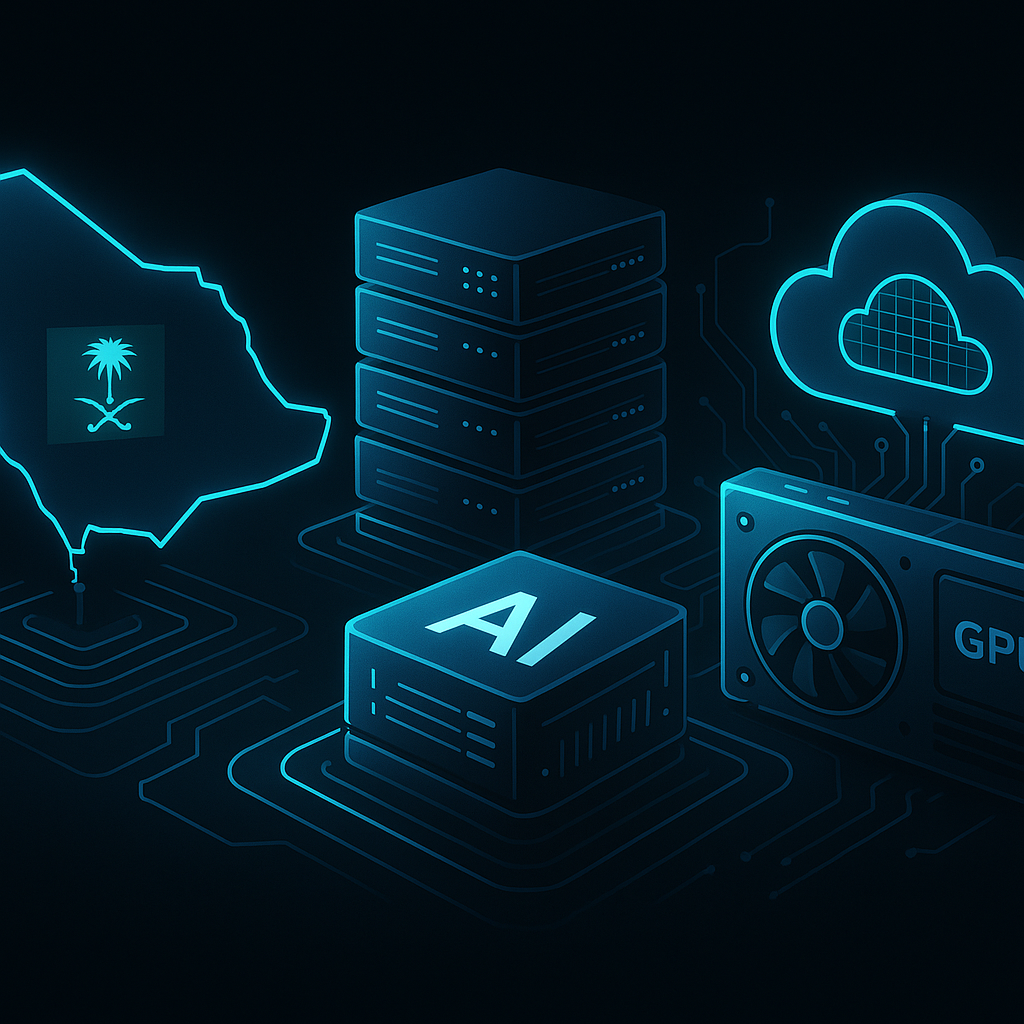
Saudi Arabia is revolutionizing its technology landscape by launching specialized generative AI and GPU-heavy cloud zones with strong data-residency and compliance features. This strategic move targets enterprises and governments in the GCC, offering robust infrastructure for handling complex AI workloads. As Saudi Arabia, UAE, Qatar, and Kuwait embrace these changes, enterprises face key decisions around vendor selection, cost management, and data sovereignty, influencing everything from private LLM deployment to AI-driven business transformation.

01

Introduction to Saudi Arabia's AI Cloud Zones

Saudi Arabia has embarked on a significant technological advancement with the introduction of AI-focused cloud zones. These zones are equipped with high-performance GPU clusters designed to handle the extensive computational demands of generative AI workloads. By providing an alternative to traditional cloud solutions, Saudi Arabia aims to reinforce data sovereignty and compliance, crucial for GCC's regulated sectors such as finance, healthcare, and government.


02

The Role of Sovereign AI and Data Residency

As the GCC region continues to modernize its infrastructure, the concepts of sovereign AI and data residency have gained prominence. These priorities are integral to tackling issues of compliance and data security. Financial institutions, healthcare systems, and government agencies increasingly demand localized data handling capabilities to protect sensitive information and ensure regulatory adherence across borders.

03

Cost Benefits and Strategic Infrastructure Implications

The development of localized AI cloud zones in Saudi Arabia offers a cost-efficient alternative to utilizing international hyperscaler regions. Enterprises can significantly lower their total cost of ownership (TCO) by reducing latency and optimizing resource allocation. CIOs and CTOs are encouraged to explore multi-cloud and hybrid strategies, integrating on-premises GPU solutions to better navigate the changing AI landscape in the GCC.

04

Strategic Considerations for GCC Technology Leaders

GCC enterprises must consider numerous strategic factors as they transition to AI-powered infrastructure. The rising need for robust data sovereignty and compliance measures requires a well-rounded approach. CIOs and CTOs need to evaluate regional partnerships, enhance multi-cloud integrations, and adjust their enterprises' AI strategy according to national directives of countries like Saudi Arabia, UAE, and Qatar.

05

Moving from AI Pilots to Production in the GCC

The journey from AI pilot projects to scalable production in the GCC necessitates careful planning. Organizations must choose the most suitable cloud regions, negotiate competitive GPU pricing, and develop strategies that align with national AI goals. This transition not only transforms business operations but also ensures enterprises are at the forefront of the AI evolution in the region.

06

Future Outlook and Competitive Dynamics

Saudi Arabia's commitment to AI-driven cloud infrastructure is set to accelerate technological innovation across the GCC. As nations like the UAE and Qatar develop their AI strategies, a competitive dynamic emerges, enhancing technological capabilities and fostering regional collaboration. Enterprises that capitalize on these developments will be well-positioned to lead in a digitally transformed Middle East.

// Want to apply this?

Let's discuss how this applies to your business.

A senior engineer reviews every inquiry and responds within one business day.

Start a Conversation