A Data Center in Alberta, a Compute Deal in Riyadh
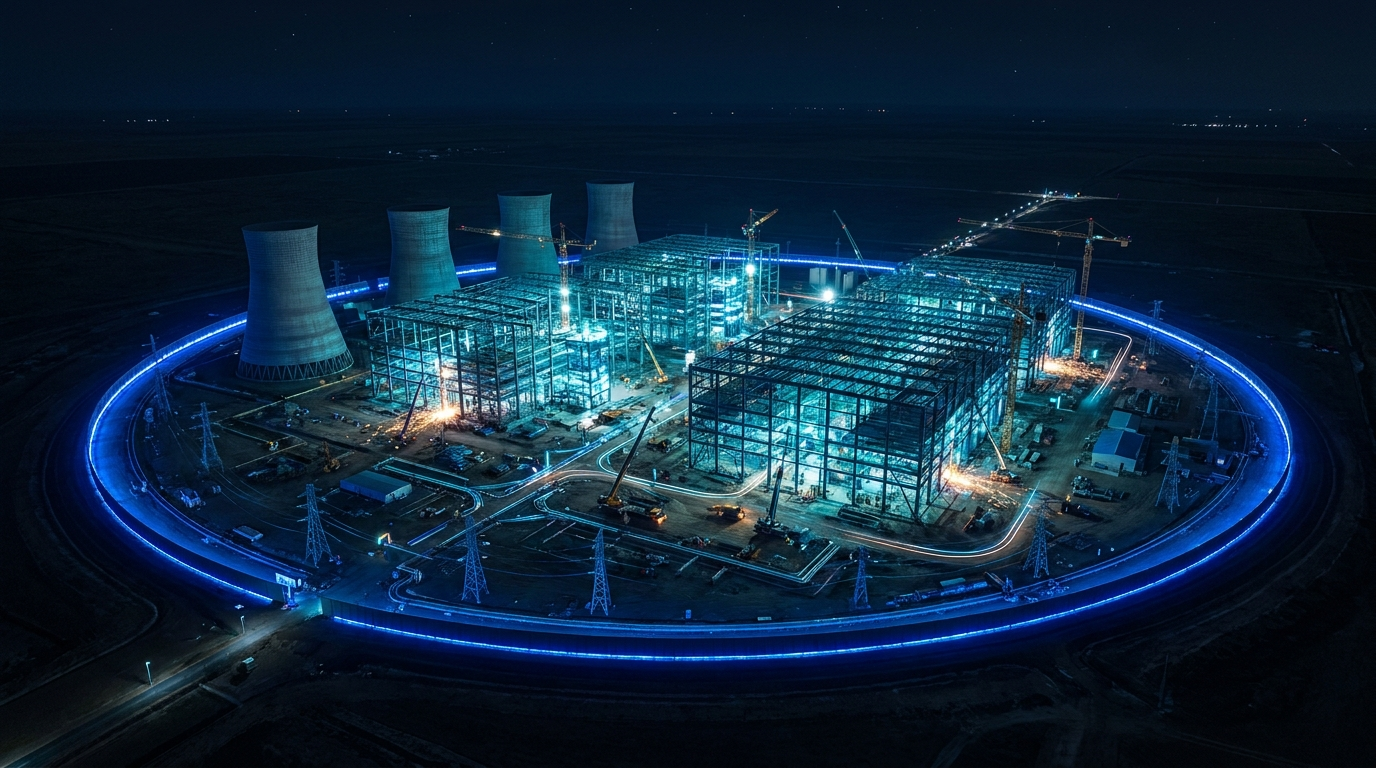
On July 8, Meta broke ground on its first Canadian data center, a facility in Sturgeon County, Alberta, built for one gigawatt of power once it is fully online. A day later, in a conference room in Riyadh, Canadian Prime Minister Mark Carney watched two executives sign a far smaller deal: Saudi Arabia's Humain committing at least 50 megawatts of dedicated compute to Cohere, the Toronto AI company chasing a seat among the world's frontier labs. Neither event led a front page outside the trade press. Together they sketch something larger than two isolated headlines: a redrawing of where the money, the chips, and the political cover for artificial intelligence actually sit.
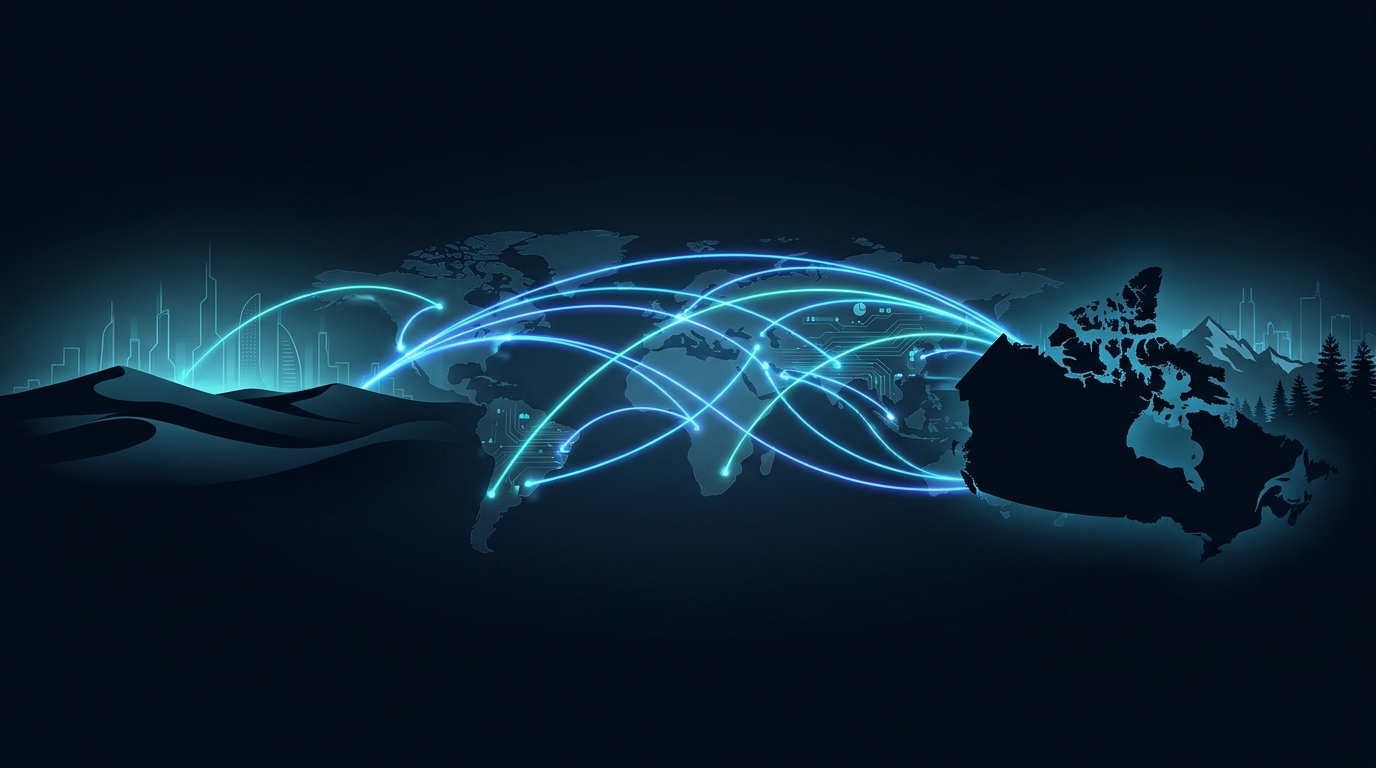
Ottawa did not fly to Riyadh to talk about oil. It went to diversify away from a trading relationship with Washington that has grown harder to predict, and it found a partner that has spent the past two years converting oil wealth into compute wealth. Within roughly the same week, the Gulf's three largest capital pools touched Canadian soil in one form or another: Saudi Arabia's Public Investment Fund through the Humain deal, the UAE's sovereign vehicles through a sizable pledge, and Qatar through a slower but steady commitment. What links them is not friendship. It is a calculation that sovereign AI, a state's ability to run its own models on its own infrastructure under its own law, now carries strategic weight comparable to a pipeline.
This piece follows that thread: the Humain-Cohere compute deal, the diplomatic scaffolding Carney built around it, the considerably larger sums pledged separately by the UAE and Qatar, and the unrelated but revealing merger that turned Cohere into a $20 billion transatlantic company inside the same twelve months. None of it is speculative. Most of it happened in the past week. The rest happened over the past year.