A New Anxiety Has Replaced the Chip Panic
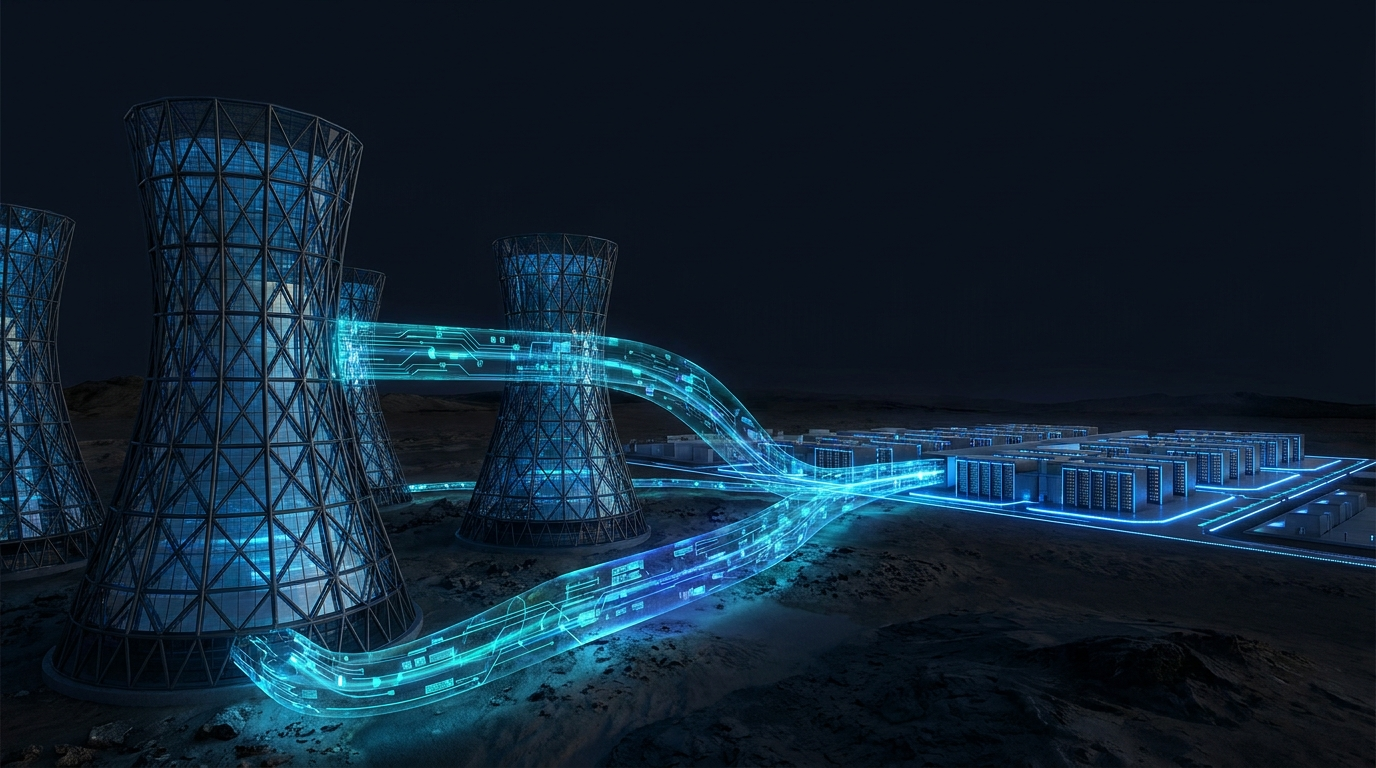
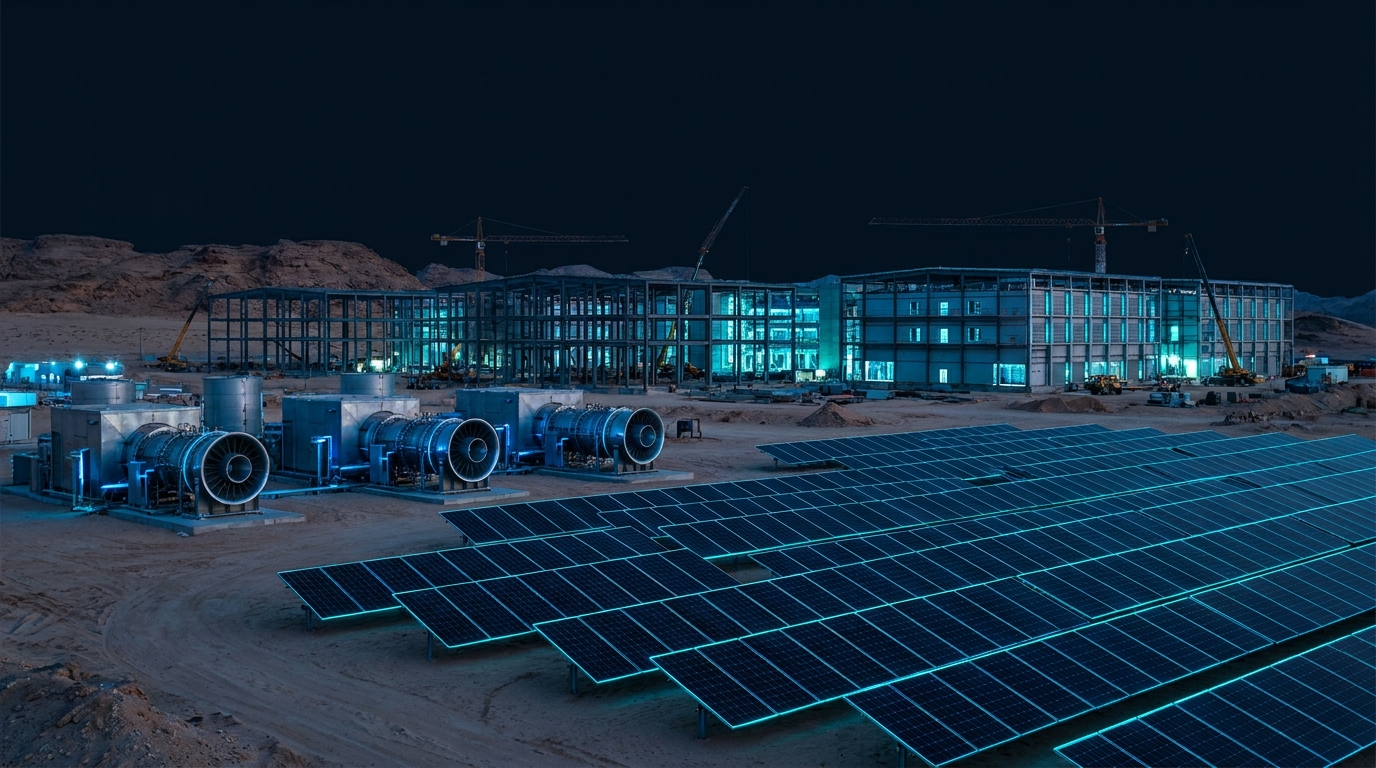
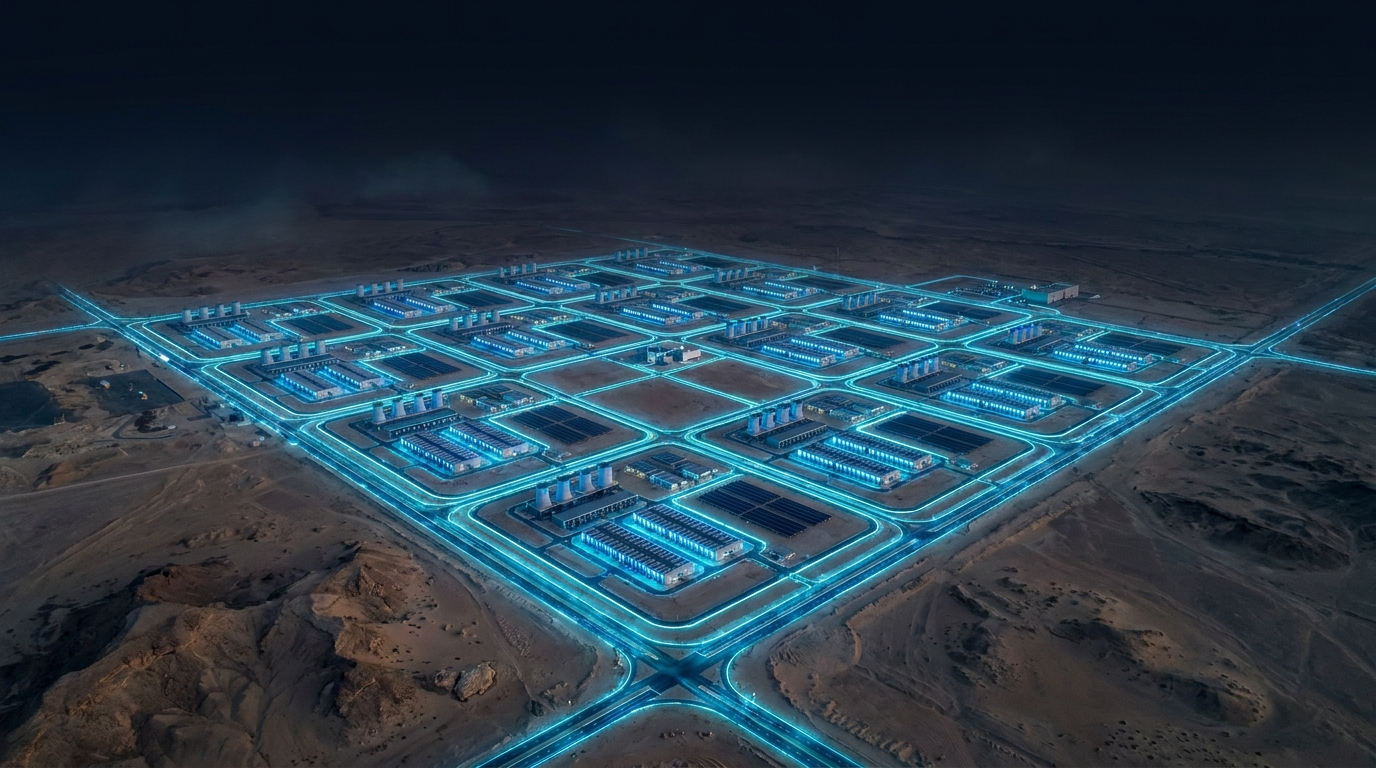
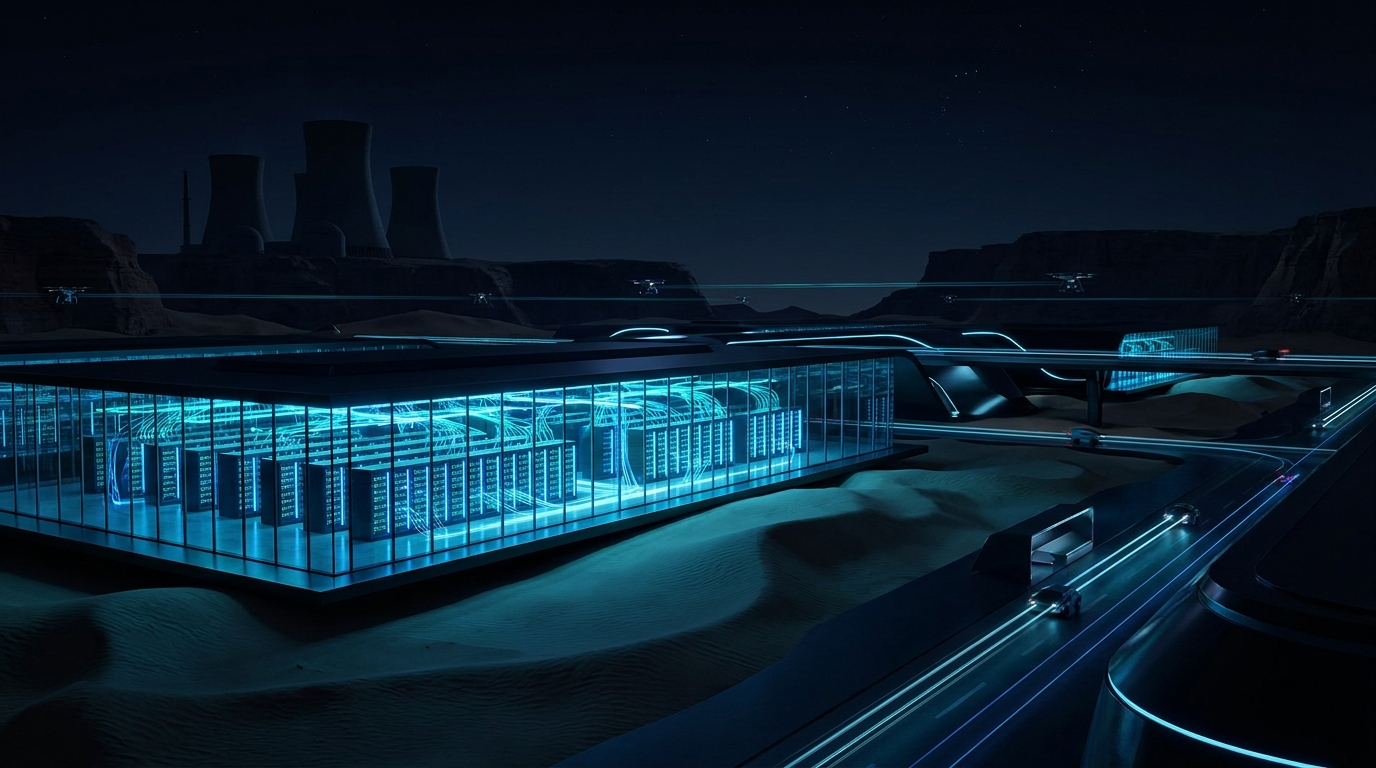
Two years ago every serious conversation in tech circled back to Nvidia chips and who could get an allocation of H100s or Blackwells. Today the question in boardrooms has shifted. Meta, Microsoft, Amazon and Google are no longer fighting only over processors. They are fighting over megawatts, over gigawatts, over twenty year power contracts with reactors that were nearly shut down a few years back. The Gulf, having spent years building a reputation as a chip and data center hub, now faces the same question in a harder version. Where does the power come from in a desert region that already struggles with water.
The short answer is that the AI race quietly turned into an energy infrastructure race. Whoever secures cheap and reliable electricity will shape who trains and serves the next generation of AI models. Owning the newest chip matters less if there is no megawatt to plug it into. This piece tracks the real numbers behind that shift, globally and specifically across the Gulf, and asks a question that has not had enough airtime yet. What does building gigawatts of data centers actually cost a region that imports much of its water.
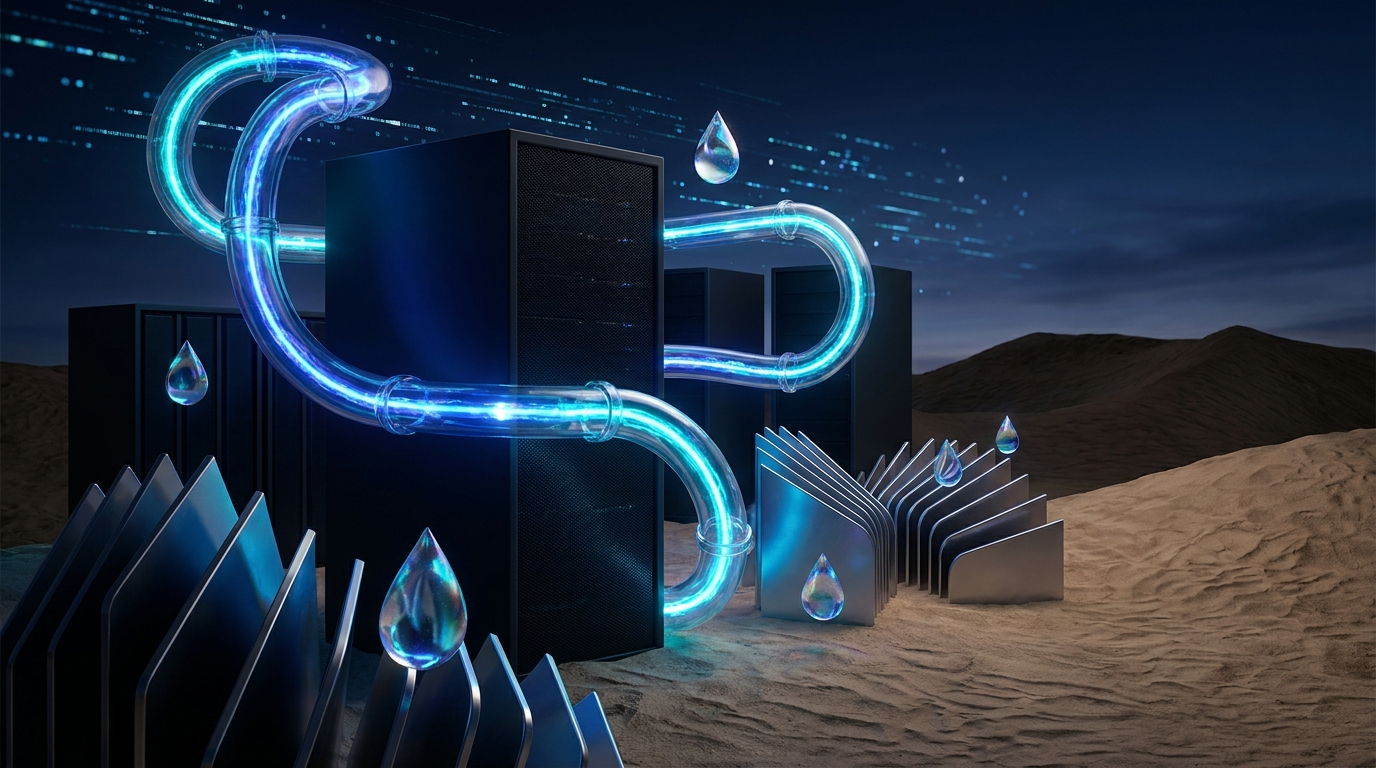
The numbers below cover four things: how much power AI now needs worldwide, how Meta and its peers are buying that power directly from utilities and plant operators, how the UAE and Saudi Arabia are each trying to answer the same question from very different starting points, and what almost nobody in the initial announcements mentions, the water bill that comes attached to every gigawatt built in the desert.